The Ultimate Guide: Important Things to Think About When Buying Engines Online for Your Vehicle
When purchasing an engine unit online, several considerations come into play to ensure a satisfactory deal. Matching the engine to your vehicle is essential, requiring attention to details like make, model, and VIN. Shoppers need to evaluate the advantages and disadvantages of new, remanufactured, and used options. Comprehending warranty coverage and identifying reputable retailers can further complicate the purchasing journey. As these factors combine, it is evident that knowledgeable selections are critical for a positive result. What should your next steps be?
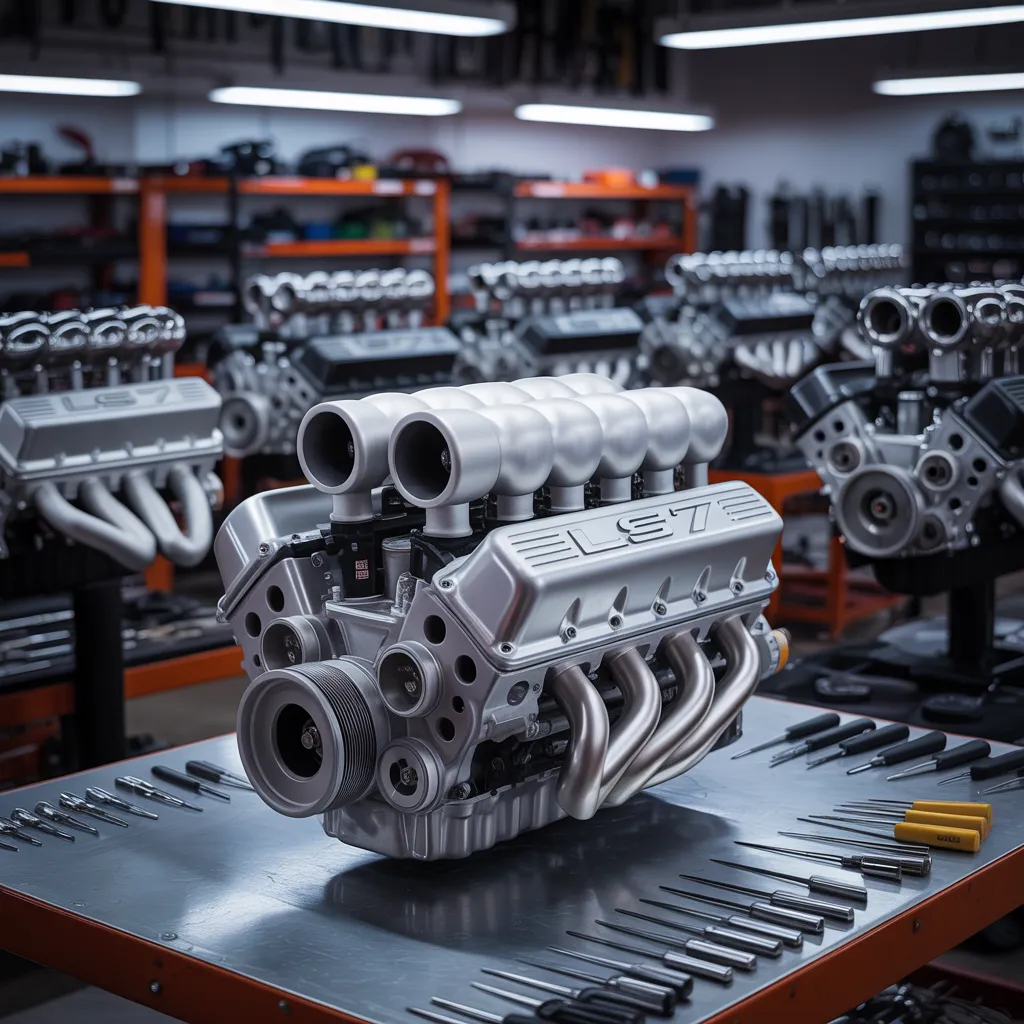
How to Ensure Engine Compatibility With Your Vehicle
When purchasing an engine through an online retailer, confirming the engine is compatible with your vehicle is critical for ensuring a proper fit. Shoppers should start by identifying the vehicle's make, model, and year, as this information is key to selecting the right engine. In addition, reviewing the vehicle identification number (VIN) can supply detailed information that assists in confirming the correct fit.
In addition, it is crucial to take into account the type of engine, such as whether it is gasoline or diesel, as well as the engine size and configuration. Examining the engine's component numbers can also prove helpful in determining that it is compatible with the vehicle's requirements.
Customers are advised to consult the retailer for relevant compatibility assurances or return procedures, which can help avoid unanticipated complications. Finally, checking customer feedback and checking for credible sources can provide insights into the retailer's trustworthiness, ensuring a well-informed purchase decision.
Selecting Between New, Remanufactured, or Used Engines
Remanufactured engines provide a middle ground, as they are rebuilt to meet OEM requirements. This option typically balances affordability and dependability, attracting those who seek peace of mind without the cost of a brand-new engine. Additionally, remanufactured engines often include warranties, increasing their appeal.
Used engines are the most cost-effective choice but come with inherent risks, including unknown wear and potential lack of warranty. Buyers must thoroughly evaluate the engine's history and condition before purchasing. At the end of the day, the selection should correspond with individual needs, taking into account elements like financial limitations, performance requirements, and risk tolerance.
Navigating Warranties and Returns for Engine Purchases Online
Navigating the intricacies of warranties and return policies is crucial for anyone purchasing an engine online. Purchasers should thoroughly examine the warranty details supplied by the retailer, as these can vary greatly between vendors and manufacturers. A strong warranty typically covers defects and offers peace of mind, but it's essential to be aware of the duration and particular terms.
Return policies are equally important; they define the circumstances in which an engine can be sent back if it falls short of expectations or encounters compatibility problems. Certain sellers may impose a restricted return period or restocking charges, which can affect the total expense. Moreover, it is recommended to seek clarification on the steps involved in returning damaged parts, as this can help avoid substantial difficulties in the future. Understanding these elements helps facilitate a smoother transaction and protects the buyer's investment in the long run.
Setting a Realistic Budget for Your Engine Purchase
When planning a budget for purchasing an engine, it is crucial to establish a clear budget range first. Buyers must also consider installation expenses, as these can considerably influence the overall expenditure. Additionally, considering future maintenance expenses will help confirm that the acquisition remains cost-effective in the years ahead.
Establish Your Budget Range
Setting a spending limit for an engine purchase necessitates thoughtful analysis and financial prudence. Interested buyers should begin by researching the market to research the market to understand the cost spectrum for different engine types, including brand-new, reconditioned, and secondhand selections. It is important to review one's financial situation and identify how much can be allocated without affecting other monetary commitments. Purchasers should also consider the extended benefits of the engine, factoring in durability and efficiency relative to the upfront expense. Setting a budget range not only aids in narrowing down choices but also avoids excessive expenditure. At the end of the day, a well-defined budget ensures that the customer remains focused on engines that satisfy both their requirements and budgetary constraints, streamlining the buying experience.
Account For Installation Costs
Establishing a budget for an engine purchase goes beyond simply considering the price of the engine; installation costs must also be factored in. Such costs can fluctuate considerably depending on the installation's complexity, the kind of vehicle, and the labor rates charged by different mechanics. Mechanics may charge a flat fee or an hourly rate, which can add up quickly. In addition, the need for specialized tools or equipment can further raise the overall expenses. Buyers should make it a priority to request quotes from various mechanics to gain a realistic understanding of installation costs. By incorporating these expenses into the overall budget, buyers can avoid unexpected financial strain and guarantee a smoother engine replacement process.
Consider Future Maintenance Expenses
Forecasting prospective servicing costs is crucial for buyers considering an engine. Purchasers should consider the extended costs tied to engine maintenance, including oil changes, filter servicing, and unforeseen repairs. It is prudent to examine the particular engine model to assess its performance history and common issues, as particular engines may demand regular servicing than others. Additionally, coverage options can provide peace of mind but may also alter the total cost. Individuals should factor in the costs of specialized equipment or technical support needed for upkeep. By planning for these costs, owners can make a better choice, ensuring that their purchase matches their monetary resources over the engine's operational life. This forward-thinking plan eventually improves mechanical performance and service life.
Finding Dependable Online Engine Dealers
When buying an engine unit online, determining seller trustworthiness is crucial. Consumers should research the retailer's reputation, check warranty terms, and check return policies to protect their investment. These actions can help mitigate risks and enhance the overall buying experience.
Examine Retailer Reputation
Several elements play a role in recognizing reliable online engine retailers, but a key factor is examining their credibility. Shoppers may commence by checking online reviews and ratings on sites like Google, Yelp, or specialized automotive forums. Positive feedback from previous buyers frequently suggests dependability and excellent support. Moreover, it's beneficial to examine the seller's background, such as their years of operation and associations with established car trade bodies. Taking part in group dialogues can also highlight concerning indicators. Finally, retailers with transparent policies regarding exchanges and buyer services generally indicate a commitment to customer satisfaction, thereby boosting their trustworthiness in the competitive online marketplace.
Review Warranty Options
Comprehending warranty options is an essential step in the journey of purchasing an engine online. A comprehensive warranty provides important protection against manufacturing defects and unexpected failures. Shoppers should closely review the warranty terms, including timeframe, coverage specifics, and any restrictions that may apply. It is essential to prioritize retailers that offer robust warranties, as this often reflects their confidence in product quality. Furthermore, being familiar with the claims process is important; a simple procedure can reduce time and frustration if problems occur. Some retailers may also include extended warranty coverage for extra peace of mind. By verifying warranty options, consumers can make better informed decisions and ensure that their investment is safeguarded against unexpected issues.
Understand Return Policies
Before completing a purchase, buyers should thoroughly review the refund policies of online engine sellers to make certain they can properly manage any potential concerns. Knowing the return conditions is essential; a retailer that provides a accommodating return policy demonstrates trustworthiness and customer commitment. Buyers should look for policies that allow returns within an appropriate time period and offer straightforward guidance on how to begin the return process. Moreover, it is necessary to consider whether the retailer pays for return shipping, as this can considerably influence overall spending. A transparent return policy can act as a reflection of the seller's dependability and dedication to customer care, making it a key element in the buying decision.
Following Your Purchase: Installation Tips
Installing a recently acquired engine can be a rewarding yet challenging task that demands careful attention to detail. Thorough preparation is crucial; begin by gathering all necessary tools and components, including new gaskets, fluids, and any required hardware. A well-organized workspace will enable a more efficient installation process.
Before removing the old engine, record the wiring and hose configurations to guarantee accurate reconnections. It is advisable to have a repair manual specific to the vehicle model on hand for reference.
When the new engine has been set into position, confirm it aligns correctly with the mounts. Proper torque specifications must be observed precisely, as inadequate torquing could result in complications later. Following installation, carefully inspect for any leaks and conduct a comprehensive check before firing up the engine. Lastly, let the vehicle run at idle and watch for any abnormal noises or irregularities, confirming a smooth transition to the new engine.
Questions We Often Receive
How Can I Review an Engine's History Prior to Buying?
To evaluate the history of an engine before making a purchase, you should obtain its Vehicle Identification Number (VIN), review maintenance records, search for collision reports, and employ online resources to verify ownership and maintenance history carefully.
What Are the Indicators of a High-Quality Engine Listing?
High-quality engine listings commonly showcase thorough, comprehensive descriptions, extensive photographs, exact performance specifications, confirmed seller reviews, learn about this and transparency regarding the engine's condition and history. Complete warranty terms and return provisions further indicate a reputable offering.
Can I Negotiate Prices When Buying Engines Online?
Absolutely, it is often possible to negotiate prices when purchasing engines online. Purchasers are advised to review comparable listings, comprehend market pricing, and communicate with sellers respectfully, as a large number of sellers are willing to engage in talks to achieve a mutually advantageous outcome.
What Documentation Should I Request From the Seller?
The buyer must ask for paperwork such as the engine history report, warranty details, proof of purchase, and any maintenance records. These documents guarantee transparency and assist in verifying the engine's condition and legitimacy.
What Is the Typical Shipping Duration for Engines?
Shipping for engines generally requires three to ten business days based on the shipping method and the seller's location. Unexpected delays might arise due to customs or unforeseen circumstances, so it's wise to check the expected delivery timeframe ahead of time.